What Are Project Dependencies? (And Why Freelancers Can’t Ignore Them)
At a glance
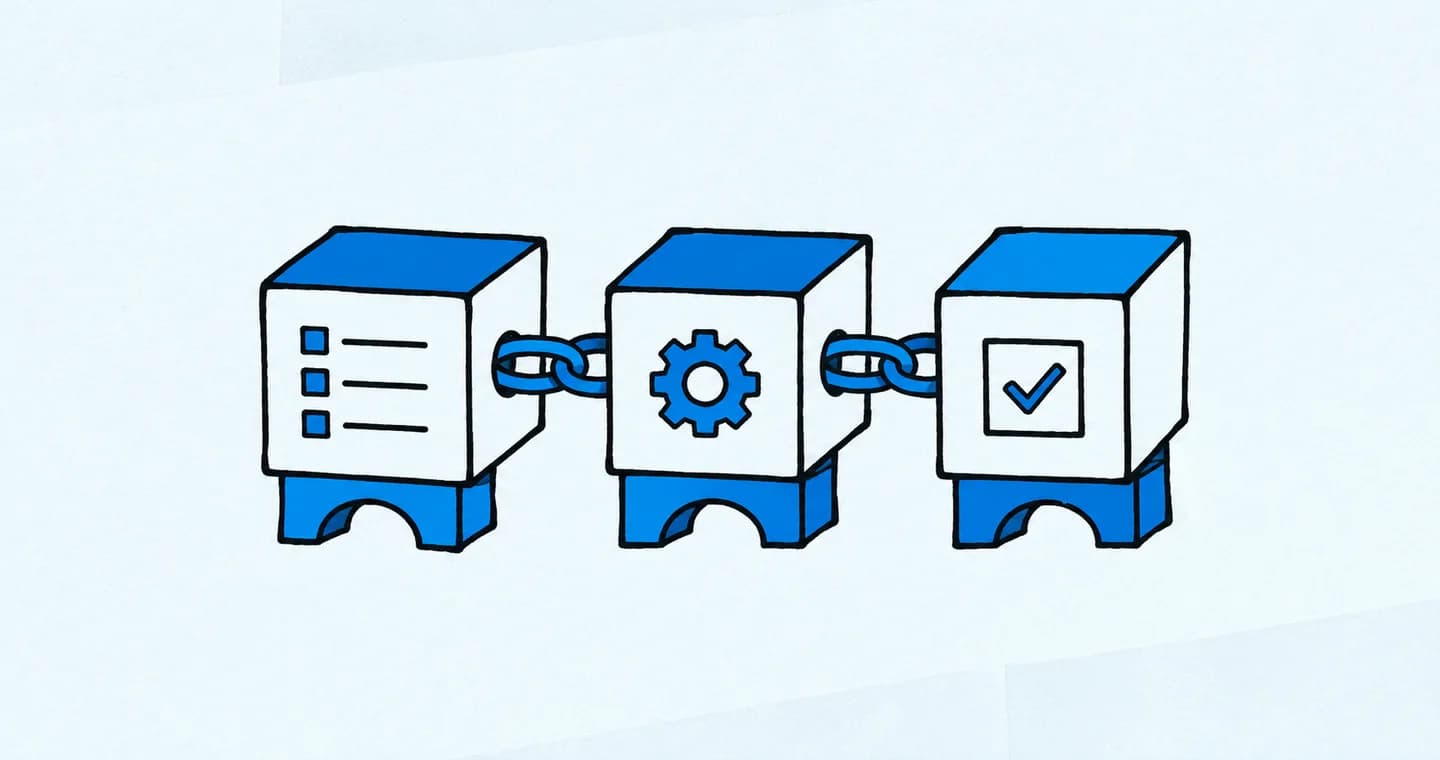
A project dependency is a relationship in which one task affects another task's timing or ability to proceed. Map the work that must happen first so delays are visible before they reach the final deadline.
1. What Are Project Dependencies?
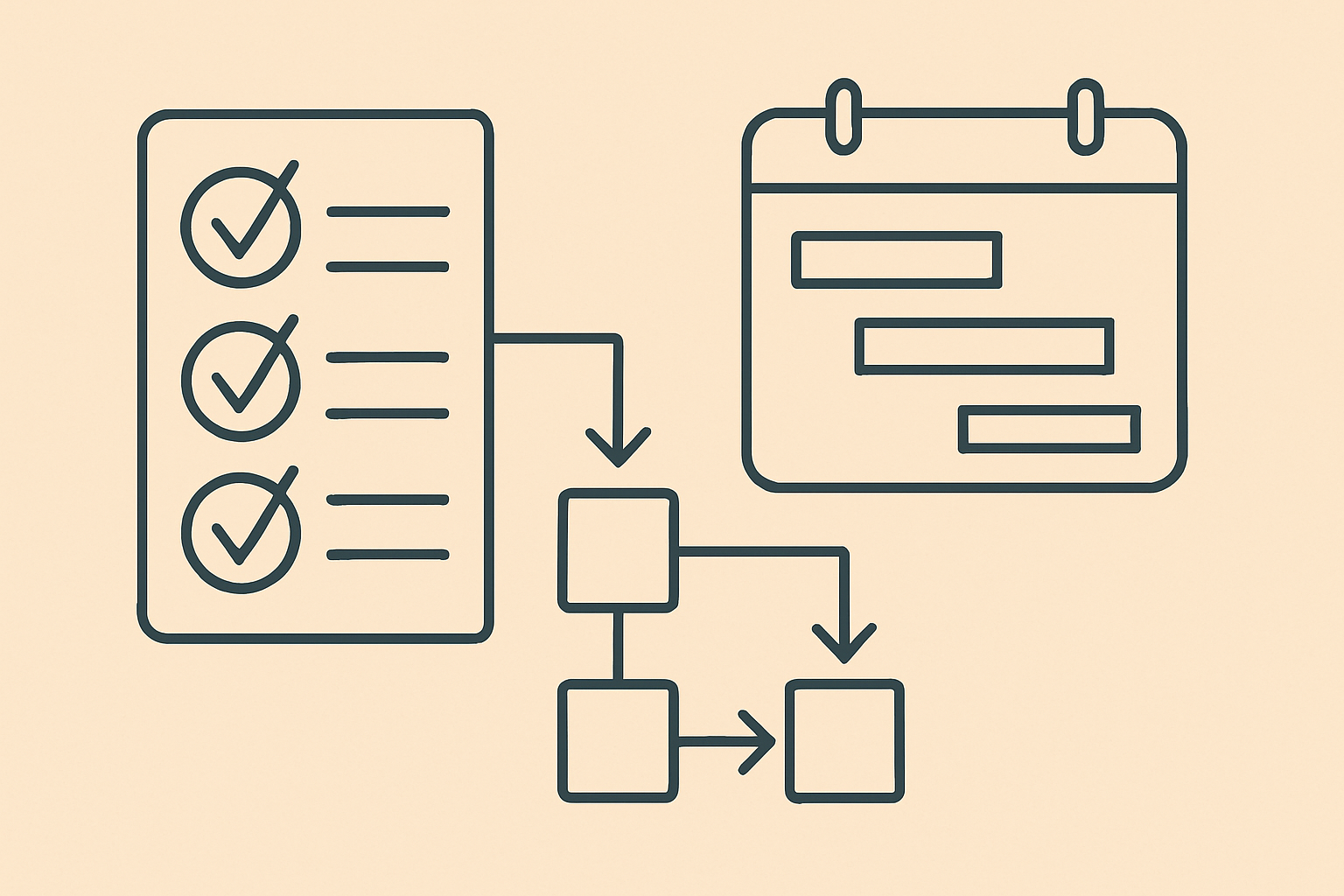
A project dependency is when one task can’t start (or finish) until another task is complete.
Think of it like a domino: Task A has to fall before Task B can even begin.
You see dependencies everywhere—especially in client work. If you’ve ever said,
“I can’t move forward until they send me the content,”
then you’ve already experienced a dependency.
Dependencies aren’t just a detail—they’re a core part of how projects actually function. When you understand them, you stop guessing what’s next and start managing your time more strategically.
2. Why Dependencies Matter in Freelance Work
As a freelancer, you're not just managing your tasks—you’re also managing your client’s responsiveness, third-party tools, and shifting priorities.
Ignoring dependencies can lead to:
- Missed deadlines
- Scrambling at the last minute
- Wasted hours waiting for something you didn’t plan around
- Burnout from constant catch-up
Dependencies aren’t just for big corporate teams. They matter even more when you’re solo—because you’re the one juggling every moving part.
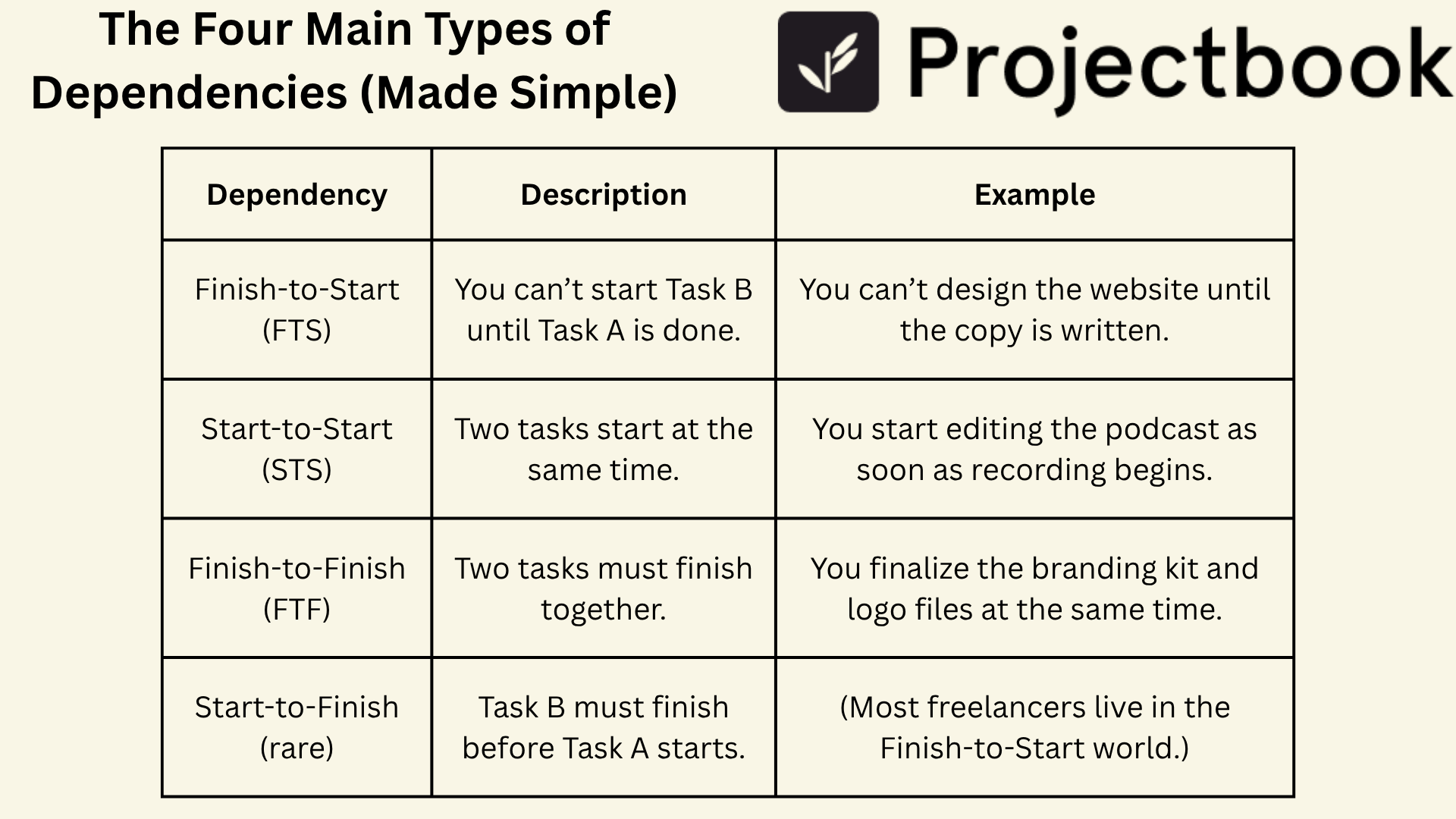
3. The Four Main Types of Dependencies (Made Simple)
You’ll hear these terms tossed around in project management—but here’s what they actually mean:
1. Finish-to-Start (FTS)
You can’t start Task B until Task A is done.
Example: You can’t design the website until the copy is written.
2. Start-to-Start (STS)
Two tasks start at the same time.
Example: You start editing the podcast as soon as recording begins.
3. Finish-to-Finish (FTF)
Two tasks must finish together.
Example: You finalize the branding kit and logo files at the same time.
4. Start-to-Finish (rare)
Task B must finish before Task A starts—less common in freelance setups.
Most freelancers live in the Finish-to-Start world. But being able to identify any of these in your workflow helps you plan with way more accuracy.
4. Common Freelancer Examples (That You’ve Probably Faced)
Let’s say you’re working on a website project:
- You can’t design without the brand assets → Finish-to-Start
- You can’t send the proposal until you’ve had a discovery call → Finish-to-Start
- You can’t launch until the client gives final approval → Finish-to-Finish
- You can’t record the voiceover until the script is at least started → Start-to-Start
These small gaps in planning can cause big problems if they’re not accounted for.
5. What Happens When You Don’t Track Dependencies
Ever had a project that looked simple at first… then spiraled?
That’s often because no one flagged what was dependent on what. The timeline becomes fuzzy. The client gets frustrated. You’re stuck waiting or rushing—or both.
Some common results of ignoring dependencies:
- Delays you didn’t see coming
- Last-minute workload pileups
- Missed review windows from clients
- Overbooking your own schedule
Dependencies help you see the sequence of your work, not just the items on your to-do list.
6. How to Manage Dependencies Without Getting Overwhelmed
Good news: you don’t need to build a Gantt chart in Excel.
Here’s how to keep it simple:
- During planning, ask yourself:
- What do I need before I can start this task?
- What’s waiting on me before someone else can move?
- Communicate dependencies with clients:
- “As soon as I receive [X], I’ll begin [Y].”
- “If approval isn’t received by [date], delivery may be delayed.”
- Build buffer time for high-risk dependencies (like slow client approvals).
- Use a tool that helps you visualize the chain of tasks—so nothing falls through the cracks.
7. How ProjectBook.co Helps You Map It All Out
ProjectBook is built with real freelance workflows in mind. No overly complex dashboards—just clean, flexible views that help you stay in control.
Here’s how ProjectBook helps you manage dependencies:
- Use timeline view to map out your task flow and spot overlaps
- Link related tasks to show what depends on what
- Tag blockers like “Waiting for Client” or “Needs Review”
- Set reminders so you're not chasing things last-minute
- Easily shift timelines when a delay impacts the next task
Whether you're managing a single project or juggling multiple client timelines, ProjectBook helps you stay ahead of potential bottlenecks—with less stress.
8. FAQ: Understanding Dependencies in Freelance Projects
Q: What if I don’t know what tasks are dependent yet?
Start rough! You can adjust as you go. The goal isn’t perfection—it’s awareness. Every time you spot a bottleneck, ask yourself: “What was I waiting on?”
Q: Should I explain dependencies to clients?
Yes. A quick sentence like, “I’ll begin once I receive X,” sets clear boundaries and puts shared responsibility on the table.
Q: Can ProjectBook show me blocked tasks?
Yes—you can mark tasks as “blocked” or tag them as “waiting,” and ProjectBook will visually flag them on your dashboard.
Q: What’s the difference between a delay and a dependency?
A dependency causes a delay if not managed. A delay is the result. By tracking dependencies, you prevent unexpected delays.
Final Word
Freelancers don’t just need better task lists—we need better awareness of how our work connects and flows.
Dependencies may sound technical, but they’re deeply human. They reflect how your work relies on others—and how others rely on you.
Map them out, plan around them, and communicate early. That’s how you go from stressed to steady—and deliver smoother, stronger work.
Try mapping your next project in ProjectBook.co—and see how much easier it is to manage what’s next when you know what depends on what.
From ideas to a clearer week